

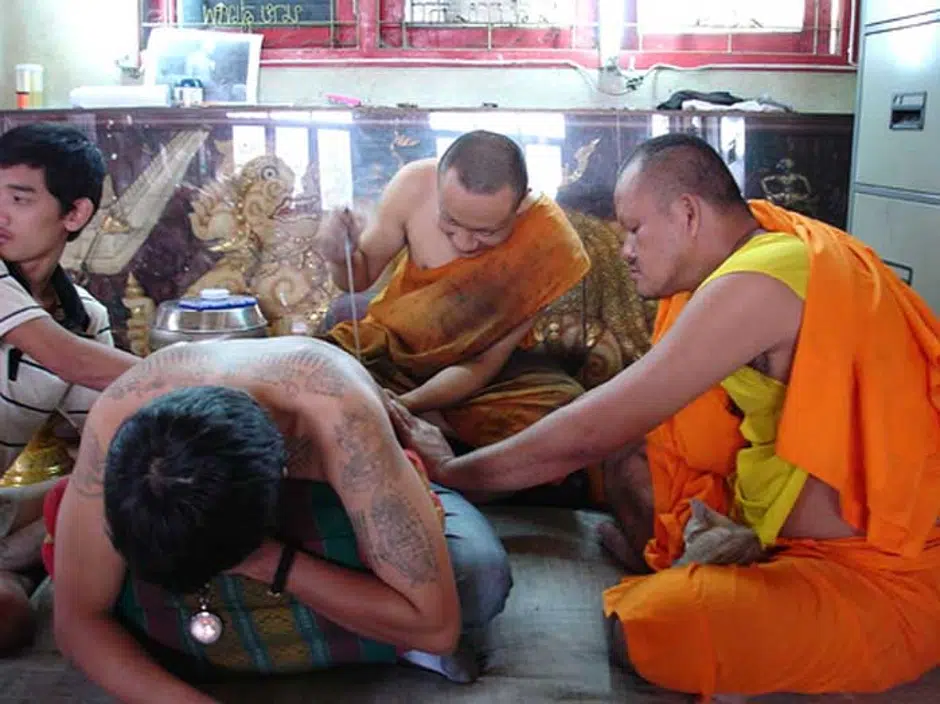
This report, by Kwan Yuk Sing, explores an unusual dimension of the 2025 Thai–Cambodian border conflict: the use of magic as a weapon of war. When Cambodian ritual specialists publicly cursed a Thai general, the response included protective amulets, Buddhist blessings, and counter-rituals that soon attracted widespread media attention. Looking beyond these colourful episodes, the author shows how deeply rooted beliefs in supernatural forces continue to shape nationalism, political authority, and the way modern conflicts are fought and understood.

This report by Olivier Moos examines the contemporary practice of ruqyah—Islamic healing and exorcism—in Syria, a country largely overlooked in studies of possession and religious healing. Drawing on fieldwork in Idlib, Damascus, and Deraa, it enters a world of jinn, witchcraft, erotic dreams, unexplained afflictions, and competing claims to religious authority. The paper also traces the tensions between hereditary healers and proponents of ruqyah sharʿiyya, as well as new efforts to regulate the practice in post-Assad Syria.
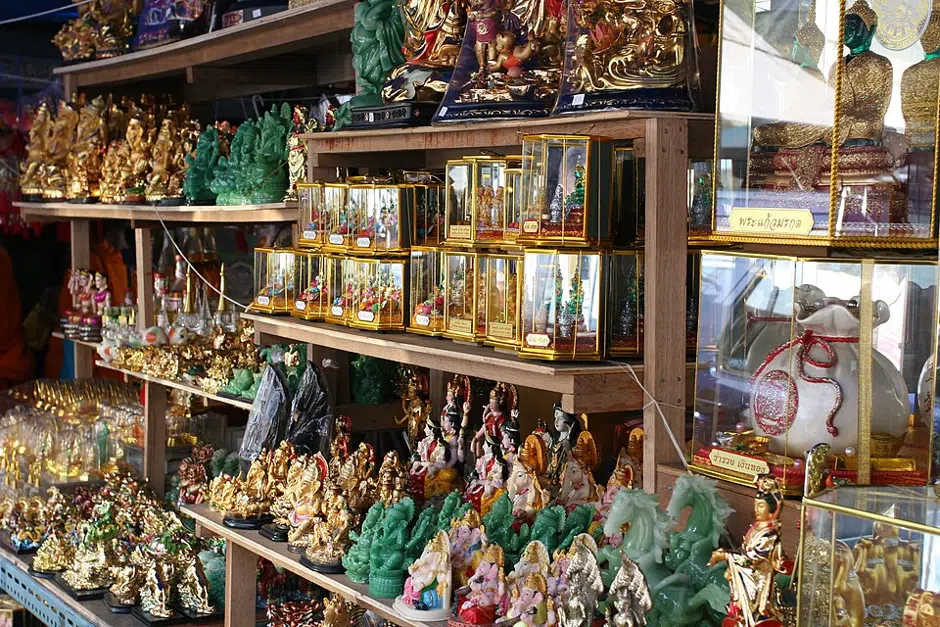
This report by Kwan Yuk Sing examines the transnational trade of Thai Buddhist amulets in Hong Kong and mainland China as both a commercial market and a process of religious translation. Drawing on interviews with temple volunteers, collectors, vendors, and scholars, as well as observations of Chinese-language online marketplaces and social media platforms, it explores how Thai amulets become meaningful and desirable to Chinese-speaking consumers.
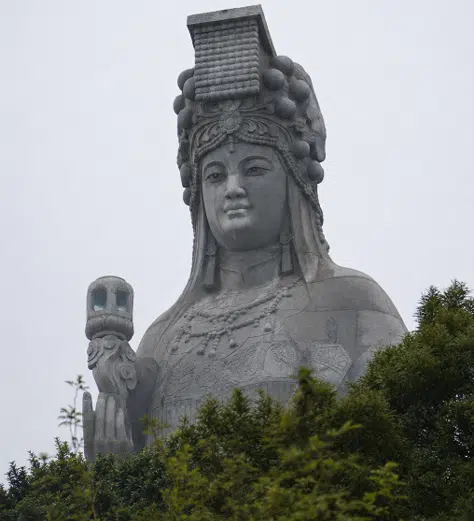
This report by Sarah Cao examines religion on Nangan Island in Taiwan’s Matsu archipelago as it has been shaped by three overlapping histories: Fujianese migration, Cold War militarization, and heritage tourism. Based on fieldwork conducted in April 2026, it explores how local religious life has been recast as cultural heritage and drawn into wider debates about cross-strait relations.

This report shows how moments that seem to signal religious or racial crisis in Malaysia often end not in rupture, but in quiet resolution. Drawing on recent flashpoints—from the proposed 2025 Lunar New Year guidelines to the “Allah socks” and halal certification controversies—it traces how episodes that appear to confirm fears of an Islamist “green wave” or Chinese “sharp power” are repeatedly defused. Rather than taking these narratives at face value, Hung Tak Wai looks at what actually happens when tensions rise: the Malay monarchy steps in to steady the debate, the bureaucracy channels outrage into legal processes, everyday routines of coexistence shape how people interact, and shows that these layers form a durable architecture of stability that does not eliminate conflict, but keeps it from hardening into lasting division.

When claims of spiritual power collide with criminal law, where should a secular court draw the line? This article explores how Hong Kong judges have dealt with cases involving Taoist “sexual cultivation” rituals, in which sex is presented as a path to fortune, healing, or spiritual benefit. By tracing several high-profile prosecutions, Kwan Yuk Sing shows how courts have leaned on established Taoist institutions to dismiss these practices as fraud or heresy. While this approach helps protect victims from exploitation, it also pulls the judiciary into defining what counts as “real” religion. The author argues that these cases expose an unresolved tension at the heart of Hong Kong’s legal system: how to safeguard individuals without turning secular courts into arbiters of religious truth.

Thousands of devotees converge on Manila’s Quiapo district to see, touch, and take home religious objects associated with the Black Nazarene. Focusing on this devotion, the article examines how items sold around Quiapo Church mediate everyday encounters with the divine. Drawing on ethnographic fieldwork, it argues that commodification does not dilute religious authenticity but helps produce and sustain lived Catholic piety.